
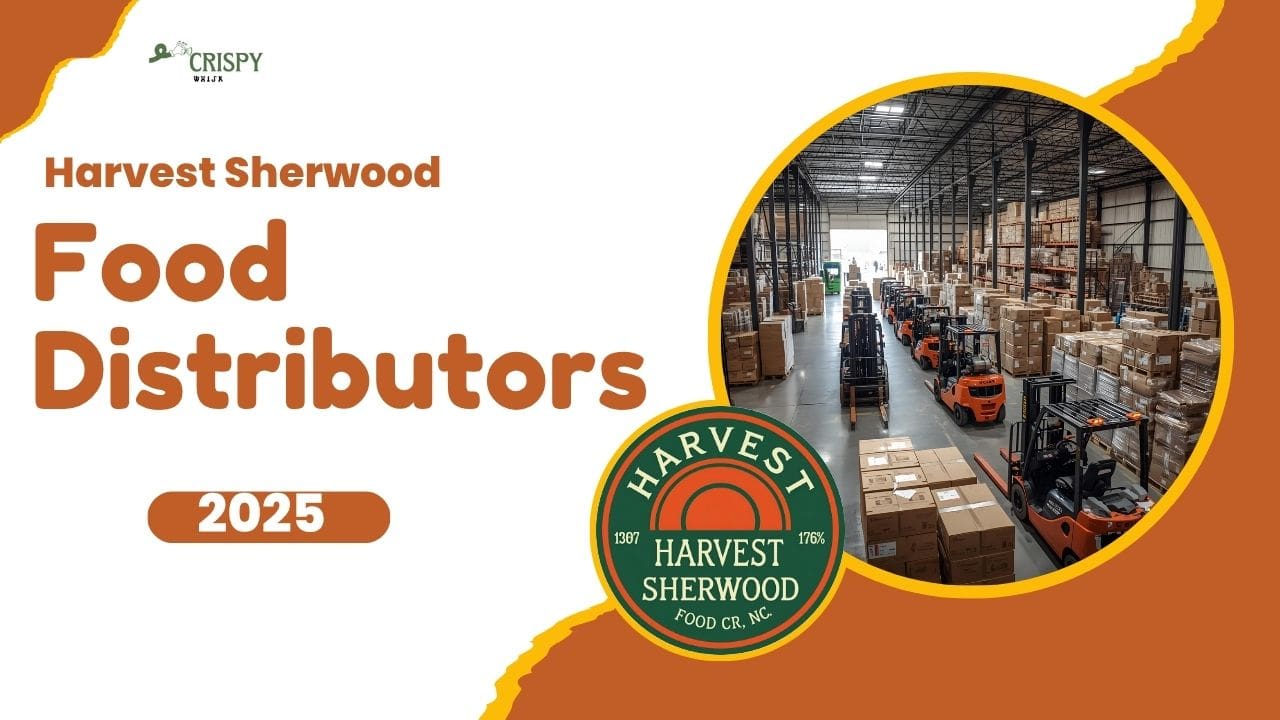
Harvest Sherwood Food Distributors once stood at the center of America’s protein supply chain, moving millions of pounds of meat and perishable foods every week. With a network that spanned coast to coast, a fleet of hundreds of trucks, and deep relationships with suppliers and retailers, the company played a critical role in feeding American households.
Yet in 2025, the company collapsed abruptly, publicly, and at a scale rarely seen in the U.S. wholesale food sector.
This comprehensive guide unpacks the real story behind Harvest Sherwood Food Distributors’ downfall, weaving together verified facts, financial filings, expert insights, industry trends, and the most recent news reports. If you’re trying to understand what happened, why it happened, and what it means for the U.S. food supply chain, this is the definitive 2025 resource.
Why the Harvest Sherwood Collapse Matters in 2025
Harvest Sherwood Food Distributors wasn’t just another middle-market distributor it was the nation’s largest independent wholesale food distributor, reaching thousands of retailers, processors, and foodservice customers across the United States.
At its peak, the company:
- Handled millions of pounds of protein every week
- Managed 14 major distribution centers
- Operated a fleet of 300+ refrigerated trucks
- Supported over 6,000 customers
- Partnered with 650+ food suppliers, including leading meat producers
- Employed approximately 1,500 workers
Its sudden collapse in early 2025 triggered ripple effects across grocery retail, meat supply chains, transportation, and regional food markets.
Understanding the fall of Harvest Sherwood is not just about looking back it’s about understanding the pressures reshaping the entire U.S. food distribution landscape today.
Corporate History: Family Roots to a $4 Billion Category Leader
Harvest Sherwood Food Distributors was born from a 2017 mega-merger between two family-run heavyweights:
Sherwood Food Distributors (Detroit, MI)
- Founded in 1969 as Regal Packing Co.
- Built strongholds in the Midwest and Southeast
- Operated 5 distribution centers
- Shipped ~20 million pounds of product weekly
Harvest Food Distributors / Harvest Meat Co. (National City, CA)
- Founded in 1989
- Served independent grocers and ethnic markets
- Operated 10 distribution centers
- Supported 6,000+ retail customers
The Combined Company (2017–2025)
- Approximately $4 billion in annual revenue
- 14 major distribution centers spanning the U.S.
- Dual leadership:
- Co-CEOs: Jay Leavy and Earl Ishbia
- Co-Presidents: Kevin Leavy and Jason Ishbia
- Co-CEOs: Jay Leavy and Earl Ishbia
- Headquartered in Detroit
- Known for agility, niche market coverage, and a massive protein portfolio
From the outside, the merger looked like the beginning of a long growth trajectory. Internally, however, the company’s scale demanded razor-thin margins, complex credit arrangements, and constant capital reinvestment pressure that would intensify by 2024.
Operations Overview: How Harvest Sherwood Moved America’s Protein Supply
Before shutting down, the company ran one of the most sophisticated refrigerated logistics networks in the country.
Distribution Centers
The company operated 14 high-capacity facilities, including:
- Detroit, MI
- Cleveland, OH
- Atlanta, GA
- Miami & Orlando, FL
- Portland, OR
- Denver, CO
- Additional regional nodes
These sites included:
- Refrigerated storage
- Freezer capacity
- Dry goods warehouses
- Cross-docking operations for rapid turn-around
In-House Transportation
SFD Transportation Corp., its logistics arm, managed:
- 300+ tractors and trailers
- Frequent multi-day deliveries
- Refrigerated routes supporting meat, seafood, deli, bakery, and perishables
This gave customers a major advantage: frequent replenishment, often using Harvest Sherwood as an “extended warehouse.”
Product Portfolio: A Deep Protein and Perishables Catalog
The distributor carried thousands of SKUs across:
- Beef, pork, poultry, lamb, veal
- Domestic & imported seafood
- Deli and charcuterie
- Bakery items
- Some fresh produce
- Natural, organic, and specialty ethnic brands
Its ability to service niche and ethnic markets made it indispensable for:
- Urban grocers
- Specialty chains
- Independent markets
- Regional retailers
- Food processors
- Cruise lines and foodservice
Supplier Relationships, Credit Terms & Industry Pressures
Harvest Sherwood relied on a large supplier base, including major players like:
- Tyson Foods
- National Beef
- Other national and specialty protein producers
The business model has high volume but low margin requires strong credit terms. This is where the company’s downward spiral accelerated.
In January 2025:
- A major credit rating downgrade hit the company
- Suppliers tightened payment terms
- Liquidity weakened significantly
- Inventory replenishment became harder
- Customers experienced delayed or incomplete orders
This squeeze created a domino effect that would devastate operations within weeks.
The Sprouts Farmers Market Dispute: A Critical Turning Point
One of the most consequential relationships in the company’s portfolio was with Sprouts Farmers Market, a national specialty grocer known for its focus on high-quality meat and seafood.
Sources reveal:
- Sprouts relied heavily on Harvest Sherwood for meat and seafood distribution
- Tensions escalated in early 2025 over alleged service failures
- Sprouts publicly linked store disruptions to distributor performance
- Harvest Sherwood disputed responsibility, citing payment issues and operational constraints
By early 2025, Sprouts terminated the relationship a significant blow to Harvest Sherwood’s revenue, reputation, and supplier leverage.
WARN Notices, Layoffs & the April 2025 Shutdown
In February 2025:
- WARN notices were filed in multiple states
- Hundreds of employees were informed of impending layoffs
- The company signaled potential operational trouble
By April 21, 2025, all operations had ceased.
Distribution centers in Michigan, Ohio, Oregon, Florida, and Colorado halted receiving, shipping, and procurement activities. Customers were forced to seek emergency sourcing alternatives, and thousands of retail locations experienced protein supply disruptions.
The Chapter 11 Filing: Massive Debts and a Full Wind-Down
On May 5, 2025, Harvest Sherwood and its affiliates filed for Chapter 11 bankruptcy in the Northern District of Texas.
Reported Financials
- Assets: $1 billion – $10 billion
- Liabilities: $500 million – $1 billion
- Creditor claims included major protein suppliers, logistics vendors, and service companies
- The company sought an orderly wind-down, not a restructuring
This placed thousands of suppliers, truckers, and retailers in limbo as the court sorted through claims and asset sales.
What Happens to Customers, Employees & the Food Supply Chain?
Customers
Retailers dependent on Harvest Sherwood faced:
- Sudden gaps in meat and seafood supply
- Higher prices from alternative distributors
- Longer delivery intervals
- Emergency sourcing costs
Suppliers
Producers faced:
- Large unpaid receivables
- Contract losses
- Rapid re-allocation of inventory to alternative distributors
Employees
Roughly 1,500 workers lost jobs across:
- Warehouses
- Trucking
- Corporate offices
- Procurement and operations
Industry Impact
The collapse adds to a pattern of consolidation in 2024–2025 as large distributors struggle with:
- Higher transportation costs
- Volatile protein markets
- Tighter credit
- Labor shortages
- Expensive cold-chain infrastructure
- Retailer demands for more frequent deliveries
Table: Timeline of Events (2024–2025)
| Date | Event |
| Late 2024 | Service disruptions begin; supplier pressure increases |
| Jan 2025 | Credit downgrade impacts liquidity |
| Feb 2025 | WARN notices issued across multiple states |
| Early 2025 | Sprouts Farmers Market dispute escalates |
| April 21, 2025 | All operations cease |
| May 5, 2025 | Chapter 11 bankruptcy filed |
| Mid-2025 | Wind-down of assets, trucks, real estate, inventory |
Table: Key Numbers at a Glance
| Metric | Value |
| Peak Annual Revenue | ~$4 billion |
| Employees | ~1,500 |
| Distribution Centers | 14 |
| Fleet Size | 300+ trucks |
| Weekly Shipments | 20–32 million pounds (varied by network and season) |
| Customers Served | 6,000+ |
| Suppliers | 650+ |
| Assets (bankruptcy filing) | $1B–$10B |
| Liabilities | $500M–$1B |
Expert Insights: Why Food Distributors Are Under Pressure in 2025
Industry analysts point to several overlapping forces impacting distributors like Harvest Sherwood:
1. Rising logistics and cold-chain costs
Refrigerated trucking and warehousing remain some of the most expensive segments of the supply chain.
2. Retail consolidation
Large grocery chains are shifting toward:
- Direct sourcing
- Private fleets
- Fewer middlemen
This squeezes mid-sized distributors.
3. Credit tightening
Distributors rely heavily on supplier credit. Any downgrade becomes catastrophic.
4. Inventory volatility in the protein sector
Beef, pork, and poultry markets have fluctuated sharply post-pandemic.
5. Customer expectations for high-frequency deliveries
Increased delivery expectations require capital, fuel, and labor that mid-size players struggle to match.
Harvest Sherwood’s collapse reflects these broader structural pressures.
FAQs About Harvest Sherwood Food Distributors
What did Harvest Sherwood specialize in?
Primarily protein distribution beef, pork, poultry, lamb, veal, and seafood plus deli, bakery, and select perishables.
Why did the company shut down?
A combination of supplier credit tightening, a credit rating downgrade, customer disputes, industry-wide cost pressures, and liquidity issues.
Did the company attempt restructuring?
No. The Chapter 11 filing was for an orderly wind-down, not a reorganization.
How many employees were affected?
Approximately 1,500 employees lost their jobs across warehouses, trucking, and corporate operations.
Which retailers were most impacted?
Independent grocers, regional chains, ethnic markets, processors, and specialty retailers like Sprouts (prior to ending the relationship).
Is the fleet or network being sold?
As part of the bankruptcy process, trucks, equipment, and real estate assets are being liquidated.
Could this impact food prices?
Localized price increases and temporary protein shortages are possible where Harvest Sherwood held significant market share.

James Jay is a professional chef based in Suffolk with over 6 years of hands-on culinary experience. Specializing in private dining, pop-up events, and bespoke menus, he’s known for delivering high-quality, memorable food experiences. James has built a trusted name by focusing on fresh ingredients, refined techniques, and personalized service.